
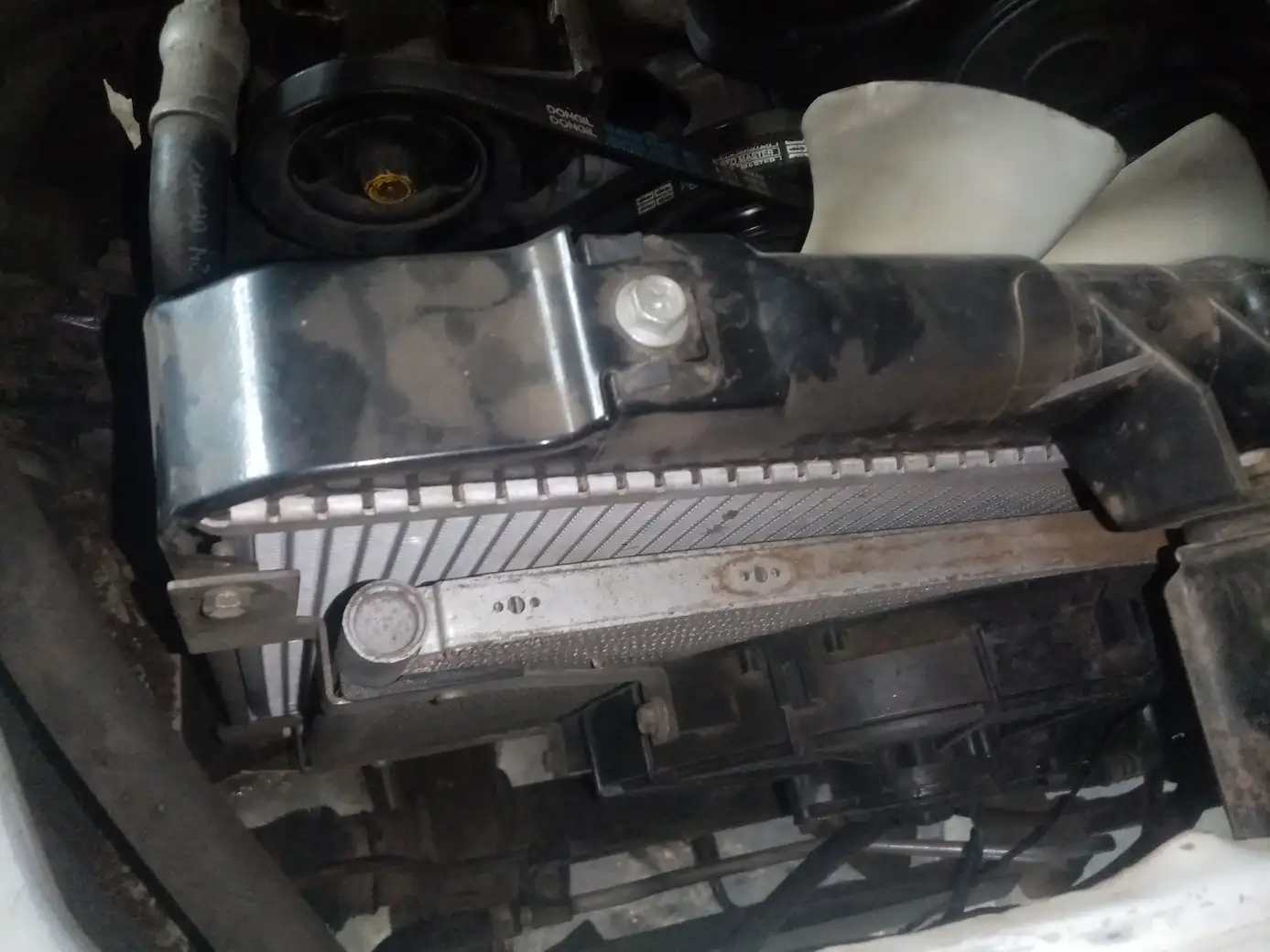
When’s the last time you checked your car’s coolant?
If you can’t remember, you’re not alone. Most of us don’t think about it until something feels off—the temperature gauge starts creeping up, you spot a puddle under the car, or the coolant looks more like mud than antifreeze.
That’s when I start getting questions about radiator flushes:
Do I need one? How often? Can I do it myself? And does dirty coolant mean trouble?
The answer depends on the vehicle.
Some cars just need the coolant replaced at the recommended interval. Others need a proper flush. And if the engine is overheating, a flush probably won’t fix the real problem.
So before you drain anything, let’s figure out what your car actually needs.
Quick Answer
A radiator flush removes old coolant and, when needed, contamination from the cooling system before fresh coolant is added.
But hitting a certain mileage doesn’t automatically mean your car needs one.
Check your vehicle’s maintenance schedule first. If it’s overheating or losing coolant, find the cause before flushing the system.
It could save you time, money, and unnecessary work.
Quick note for EV and hybrid drivers: This guide covers conventional gas-engine cooling systems. Electric vehicles and hybrids have dedicated cooling systems for battery packs and inverters, which use different coolant formulations and service intervals. Always consult your owner’s manual for EV-specific maintenance.
Table of Contents
Don’t Choose Coolant by Color
This is one of the easiest mistakes to make.
People often assume that green coolant goes with one type of car, red with another, and so on. Unfortunately, coolant color isn’t a universal identification system.
Two coolants can have similar colors and completely different formulations.
The safest approach is to check the coolant specification listed for your vehicle.
If you don’t know what’s already in the system, don’t guess based on color.

Can You Mix Different Coolants?
Only when the products are confirmed to be compatible.
If you’re unsure, check the manufacturer’s specification or the coolant manufacturer’s compatibility information before mixing them.
A bottle saying “universal” isn’t a reason to ignore the vehicle’s requirements.
How to Flush a Radiator
The procedure below is a general overview. Your vehicle may use a different drain point, filling method, or bleeding procedure, so always check the manufacturer’s instructions first.
What You’ll Need
For a typical coolant service, you may need:

- The correct coolant
- Distilled or deionized water if a concentrate is being mixed
- A suitable drain container
- Funnel or coolant-filling equipment
- Basic hand tools
- Gloves and eye protection
You’ll also need a safe way to dispose of the old coolant. Used coolant should never be poured onto the ground or left somewhere accessible to pets or children.
1. Make Sure the Engine Is Cold
This is the part you should never rush.
A cooling system can remain pressurized after the engine has been running. Opening it while hot can release extremely hot coolant and steam.
Work only on a completely cooled system.
2. Find the Correct Drain Point
Depending on the vehicle, coolant may be drained through a radiator drain plug or another designated point.
Quick tip: On many Asian vehicles, you’ll find a plastic wingnut or drain plug at the bottom-left of the radiator. On older American cars, it’s often a brass petcock that you turn with pliers. Some vehicles require disconnecting the lower radiator hose instead.
Put a suitable container underneath before opening the system.
3. Drain the Old Coolant
Allow the old coolant to drain.
Pay attention to what comes out. If you see unusual contamination, sludge, or a large amount of debris, don’t simply refill the system and move on.
That condition deserves investigation.
4. Flush the System if Your Vehicle Requires It
This is where generic internet instructions can get you into trouble.
Different cooling systems have different procedures. One vehicle may use a simple drain-and-fill. Another may require a particular flushing procedure or special equipment.
Follow the procedure specified for your vehicle rather than assuming every engine should be flushed in exactly the same way.
A word of caution: On older, high-mileage systems, aggressive chemical flushes can sometimes cause leaks. If sludge is holding your radiator together, removing it aggressively might expose pinhole leaks. When in doubt, stick to the manufacturer’s recommended procedure.
5. Refill With the Correct Coolant

Use the coolant specification recommended for your vehicle.
If you’re using concentrated coolant, mix it according to the manufacturer’s instructions. If you’re using premixed coolant, don’t add extra water unless the instructions specifically call for it.
6. Remove Trapped Air
Some cooling systems are easy to refill. Others can trap air and require a specific bleeding procedure.
This matters because trapped air can interfere with proper coolant circulation and temperature control.
Your vehicle’s service information should tell you whether there is a bleed screw, special filling procedure, or another method to remove air.
Here’s a concrete example: On many Asian vehicles, you can usually bleed air by running the engine with the heater on maximum and the radiator cap off until the bubbles stop. On the other hand, some European vehicles have specific bleed screws or require a vacuum-filling tool, so checking your manual is non-negotiable.
7. Check for Leaks
Once the system has been serviced, inspect the areas that were disturbed.
Look around the radiator, hoses, drain point, reservoir, thermostat housing, and other cooling-system connections.
If coolant starts disappearing again, don’t just keep adding more.
Find the reason.
8. Recheck the Level
After the vehicle has cooled again, check the coolant level according to the manufacturer’s instructions.
A small level change after servicing can occur as trapped air is removed, depending on the system. Continued coolant loss is different and needs investigation.
What Are the Signs of a Cooling-System Problem?
A few warning signs are easy to spot:
- The temperature gauge runs hotter than normal.
- The engine overheats.
- Coolant level keeps dropping.
- You find coolant under the vehicle.
- The coolant looks heavily contaminated.
- A coolant warning appears on the dashboard.
- You notice an unusual coolant smell.
One symptom deserves particular attention: repeated coolant loss.
If you’re constantly topping up the reservoir, something is causing that coolant to disappear. A flush isn’t a substitute for finding the leak or other fault.
How Often Should You Flush a Radiator?
There isn’t one answer that fits every vehicle.
Follow the coolant replacement interval in your manufacturer’s maintenance schedule.
The interval can vary considerably between vehicles, coolant types, engines, and model years.
If you’re unsure, look up the exact year, make, model, and engine rather than relying on a generic “every X miles” recommendation.
Is “Lifetime” Coolant Really Lifetime?
Not in the sense that you can forget about the cooling system.
Long-life coolant is designed to last longer under the right conditions, but the cooling system still needs to be inspected.
Keep an eye on:
- Coolant level
- Leaks
- Coolant condition
- Engine temperature
- Hoses and connections
And whenever the cooling system is opened for a repair, follow the correct refill and air-bleeding procedure.
How Much Does a Radiator Flush Cost?
The price depends on the vehicle, location, and what the service actually includes.
DIY Cost: $20–$60
- Coolant: $20–$50 (1–2 gallons)
- Distilled water: $1–$3 per gallon
- Flush product (if needed): $7–$15
- Supplies: drain pan, funnel, gloves
Professional Service: $100–$250
- Independent shop: $100–$200
- Dealership: $200–$400
- Quick-lube chain: $140–$160 (but they may only do a drain-and-fill, not a full flush)
Pro tip: When getting a quote, ask what’s actually included. A cheap “coolant service” may not include the same work as a complete flush.
Will a Radiator Flush Fix an Overheating Engine?
Usually, no.
If your engine is overheating, the first job is finding the cause.
Possible causes include:
- Coolant leaks
- A faulty thermostat
- A failing water pump
- Cooling-fan problems
- A restricted radiator
- Electrical problems
- Internal engine problems
A flush may be useful if the coolant or radiator is contaminated or restricted, but it shouldn’t be used as a guess.
Diagnose first. Service second.
That simple approach can save you money.
A Simple Radiator-Flush Checklist
Before Servicing the Cooling System:
- Check the manufacturer’s procedure.
- Confirm the correct coolant specification.
- Make sure the engine is completely cold.
- Prepare a suitable drain container.
- Plan for proper coolant disposal.
After Servicing:
- Make sure the system is filled correctly.
- Follow the required air-bleeding procedure.
- Check for leaks.
- Recheck the coolant level when cold.
- Watch the engine temperature.
- Investigate any continuing coolant loss.
Radiator Flush FAQs
Do I really need a radiator flush?
Not necessarily. Check your vehicle’s maintenance schedule and coolant condition first.
Is a radiator flush the same as changing coolant?
No. A coolant change replaces the old coolant, while a flush is intended to clean the system more thoroughly when required.
Can I flush my radiator myself?
It depends on the vehicle. Many systems are straightforward, but some require specific filling or bleeding procedures.
How often should you flush a radiator?
Follow the manufacturer’s recommended interval. There is no universal mileage that applies to every car.
Can I flush a radiator after the engine overheats?
Don’t assume a flush will fix it. Find the cause of the overheating first.
What does brown coolant mean?
It can indicate contamination, corrosion, or degraded coolant. Check the cooling system before deciding what service it needs.
Does coolant color matter?
Color alone isn’t enough. Choose coolant based on the specification required by your vehicle.
Can I mix two different coolants?
Only if they’re confirmed compatible. When in doubt, check the specifications before mixing them.
Can I use water instead of coolant?
Not as a permanent solution. Use the coolant mixture specified for your vehicle.
Why does my coolant keep disappearing?
Repeated coolant loss usually means there is a problem. Look for a leak or another cause instead of repeatedly topping up the reservoir.
How long does a radiator flush take?
It depends on the vehicle and the procedure. A simple coolant service can be fairly quick, while a contaminated system may require additional work.
What if I don’t know which coolant is in my car?
Don’t choose by color. Check your vehicle’s required coolant specification first.
How much does a radiator flush cost?
DIY: $20–$60. Professional: $100–$250. Ask what’s included before committing.
Final Thoughts
A radiator flush isn’t something you should automatically schedule because your odometer reached a certain number.
Start with the manufacturer’s maintenance schedule. Then look at the condition of the coolant and the overall health of the cooling system.
If everything is working properly, the correct coolant service may be all that’s needed.
If the coolant is badly contaminated, the system has been filled with the wrong product, or the manufacturer specifically calls for a flush, then a more thorough service may make sense.
And if the engine is overheating or losing coolant?
Don’t start with the flush. Start with the diagnosis.
That’s usually the fastest way to find the real problem and avoid spending money on a service that was never going to fix it.
If you’re not sure what your car needs, leave the year, make, model, engine, and mileage in the comments. With those details, it’s much easier to figure out where I’d start looking.
Important Safety Note
This guide provides general automotive information. Cooling-system procedures vary between vehicles.
Always follow the safety precautions, coolant specification, filling procedure, and bleeding instructions for your exact vehicle.
Never open a hot or pressurized cooling system.
Sources & Further Reading
For the correct coolant specification, service interval, filling procedure, and bleeding procedure, use the owner’s manual or official service information for your exact vehicle.
Cooling-system procedures can vary significantly between vehicles, so generic instructions should always be treated as a starting point rather than a replacement for manufacturer-specific information.
Got questions? Drop them in the comments; I’ll give you the mechanic’s truth.
Pingback: Water Is Leaking from My Car? Mechanic Explains Why & Fixes
Pingback: Best Car Temperature Gauge Guide: Normal(195°F), High & Low
Pingback: Water Pump Replacement: Critical Signs & Smart Timing